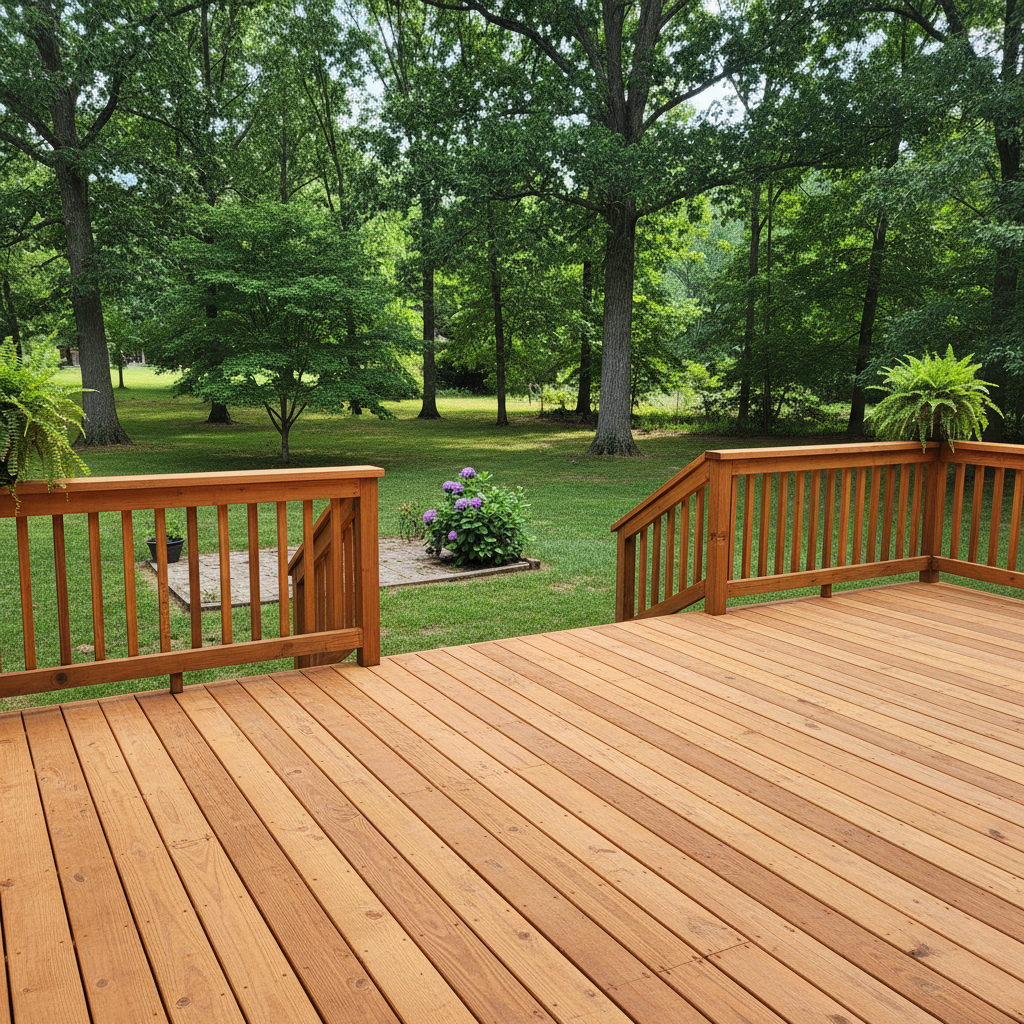
You've got a deck, right? It's where you grill, kick back, and soak up those beautiful Oak Ridge evenings. But just like anything else that sits outside in our wild Tennessee weather – the hot, humid summers, the wet springs, and even those icy patches we get in winter – it needs some looking after. If you ignore it, you're pretty much asking for trouble down the line, and that trouble usually shows up as a hefty repair bill.
Making Your Deck Last Longer: Easier Than You Think
The biggest thing you can do to make your deck stick around for years is protect it from the elements. Water is the enemy, plain and simple. Our climate here in East Tennessee means we get plenty of rain, and that moisture, especially with our humidity, is a perfect recipe for rot and mildew if you're not careful. Trust me on this.
First off, keep it clean. Seriously, giving it a good scrub once a year, maybe twice, makes a huge difference. Get rid of leaves, dirt, and anything else that might trap moisture against the wood. You can use a deck cleaner and a stiff brush, or even a pressure washer on a low setting if you know your way around one. Just be careful with those pressure washers though; too high a setting can actually damage the wood fibers, which nobody wants.
Next up: sealing or staining. Think of this as your deck's raincoat. Depending on the product you pick, you'll probably need to reapply it every 2-5 years. If your deck looks faded, or if water just soaks right into the wood instead of beading up, it's definitely time. Don't skip this step. It's your best defense against UV damage, moisture getting absorbed, and just general wear and tear.
Routine Upkeep: Your Yearly Checklist
I tell all my clients, whether they're in Grove Center or over by Melton Hill Lake, to do a quick once-over at least once a year. Spring, right after winter's worst has passed, is usually the best time. Here’s what I look for:
- Clean it up: Like I said, sweep off any debris. And check between deck boards for anything stuck there that could trap water.
- Inspect for damage: Look at every single board, every railing post, every stair tread. See any loose fasteners? Splintered wood? Cracks?
- Check the ledger board: This is where your deck actually attaches to your house. It's super important. Look for any gaps, rot, or signs it's pulling away. This one's a big deal for safety.
- Test railings and stairs: Give them a good shake. Are they solid? Loose railings are a falling hazard, after all.
- Look underneath: If you can, get down there. Check the joists, beams, and support posts for any signs of rot, insect damage, or sagging. Make sure the footings aren't sinking or eroding.
- Clear vegetation: Trim back any bushes or plants that are growing too close to or under the deck. They trap moisture and can also hide pests.
Warning Signs: Don't Brush These Off
Sometimes problems just sneak up on you, and you really need to know what to look for before they turn into major headaches. If you spot any of these, it's time to pay attention:
- Soft or spongy wood: If you step on a board and it feels soft, or you can easily poke it with a screwdriver, that's rot. It needs to go.
- Widespread cracking or splitting: A few small cracks are normal, sure, but if boards are cracking all over, or splitting significantly, their structural integrity might be compromised.
- Loose or corroded fasteners: Nails popping up, screws rusting out, or bolts that are loose mean your deck isn't as secure as it should be.
- Sagging or uneven surfaces: If your deck isn't level anymore, or you see noticeable dips, that's a sign of structural failure. This is serious stuff.
- Mold or mildew that won't go away: While surface mildew can usually be cleaned, persistent or deep-seated mold can point to chronic moisture issues and potential rot underneath.
- Pest damage: Small holes, sawdust trails (that's called frass, by the way), or visible insects like carpenter ants or termites are a huge red flag.
When to Call in a Pro (Like Us at Pacific Decking)
Look, a lot of basic maintenance you can absolutely handle yourself. Cleaning, sealing, tightening a few screws – that's just homeowner stuff. But there are times when you really need to bring in someone who knows what they're doing. If you're seeing any of those serious warning signs I just mentioned – widespread rot, sagging, major structural issues, or significant pest damage – please don't try to DIY a fix. You could make it worse, or even worse, make it unsafe.
Also, if you're not comfortable working with power tools, or if the repair involves replacing critical structural components like joists or ledger boards, that's definitely a job for a pro. We've seen plenty of decks that started with a small problem and ended up needing a full rebuild because someone waited too long or tried a quick, improper fix. Giving Pacific Decking a call for an inspection can save you a whole lot of money and stress in the long run, and more importantly, keep your deck safe for everyone who uses it.
Your deck is an investment in your home and your enjoyment. A little bit of care goes a long way in making sure it lasts and stays safe for years to come.